
Craft · · 7 min read
Embroidery, print or sublimation?
Three ways to put a logo on a garment, and the fabric and quantity that decide between them.
Every brand that orders apparel eventually asks the same question in the same order: can you put our logo on it, will it look expensive, and will it survive the wash. The honest answer depends less on the logo than on the fabric it is going onto and how many pieces you need.
Embroidery
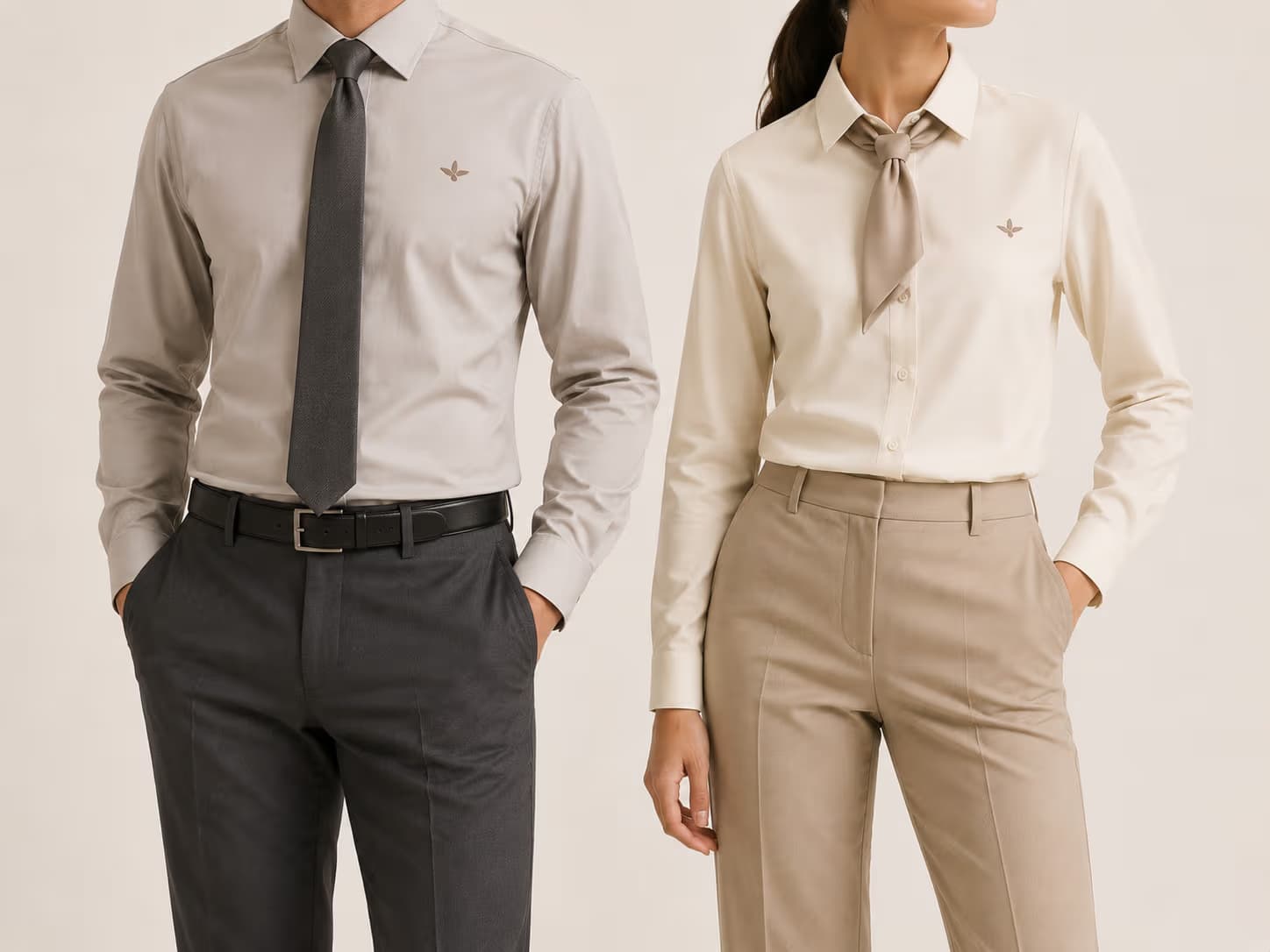
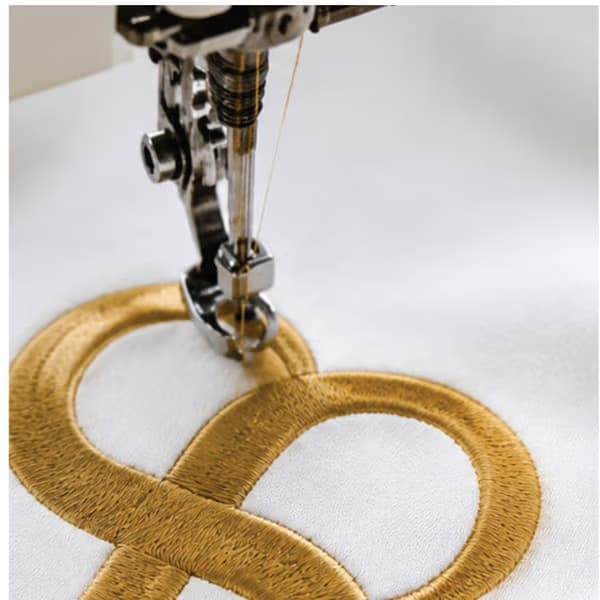
Thread stitched into the cloth. It carries weight and shadow, it survives industrial laundering better than anything else, and it is the reason a corporate shirt reads as a uniform rather than a giveaway.
It is not the answer to everything. Fine detail below a few millimetres closes up, large solid areas get heavy and stiff, and photographic artwork is simply the wrong job for a needle. Embroidery is for marks: crests, monograms, logos, insignia.
Direct print
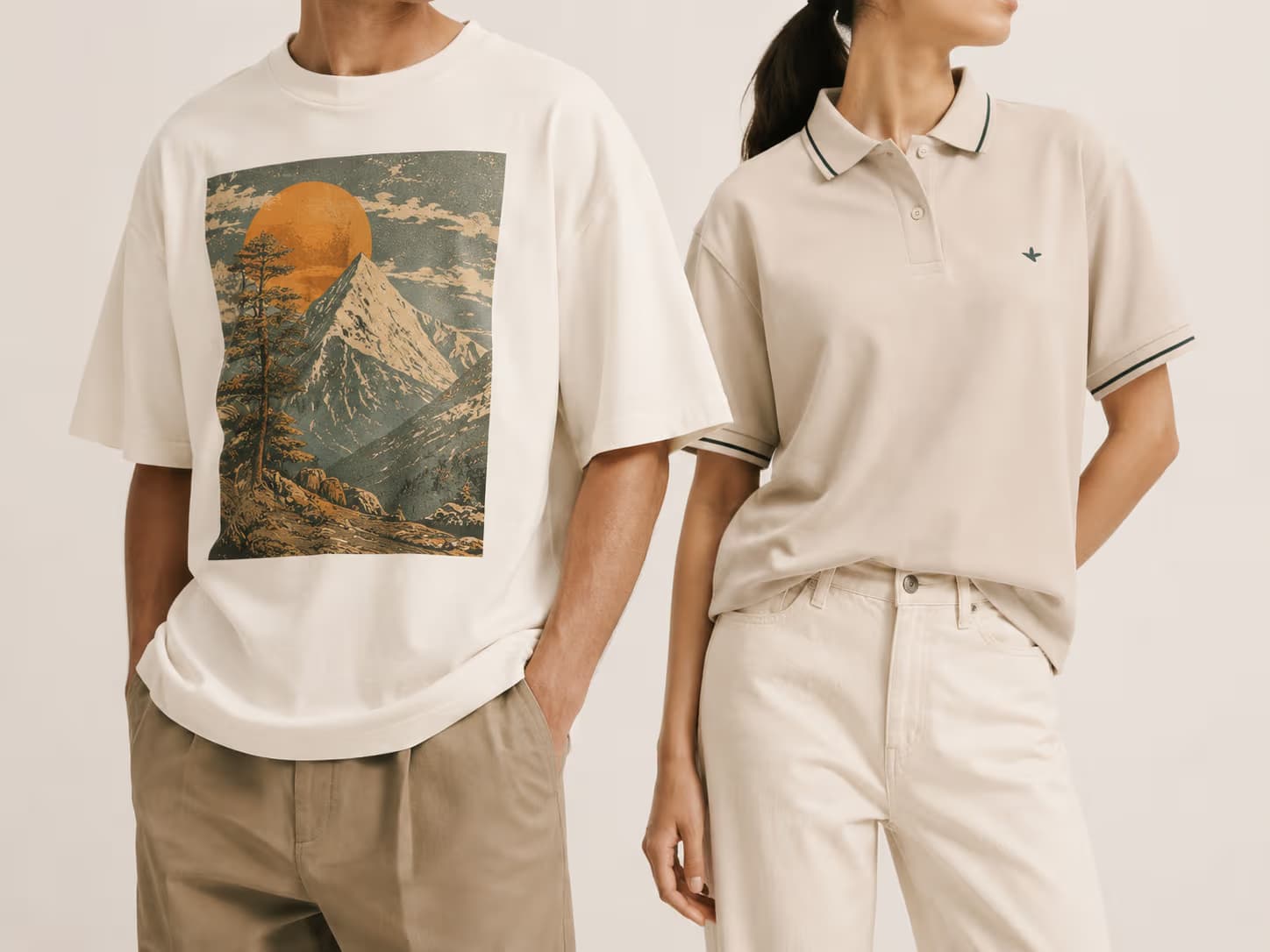
Ink applied to the surface of a finished garment. It handles gradients, photographs and colour counts that thread cannot, and it works on cotton, which sublimation does not. Modern transfer printing has largely solved the old complaint about cracked, plasticky prints, but placement still matters: a print across a seam will always be the first thing to fail.
Sublimation
The dye becomes part of the fibre rather than sitting on it, so the print cannot crack or peel and the fabric keeps its hand feel. That makes it the right choice for sportswear and for all-over designs.
It comes with two hard constraints worth knowing before you fall in love with an artwork:
- It needs polyester. On cotton the colour will not hold.
- There is no white ink — white in a design is simply the fabric showing through, so the base must be white or very pale.
- Cut-and-sew sublimation prints the panels before the garment is assembled, which is why the pattern can run unbroken across a seam.
Choosing quickly
A rough rule that holds most of the time: a mark on a uniform is embroidered, artwork on a cotton tee is printed, and a full-coverage design on performance fabric is sublimated. When an order needs two of the three — an embroidered chest emblem and a printed back — that is normal, and it is one of the reasons the decoration lines sit in the same building as the sewing lines.