
Craft · · 4 min read
Three label tiers, one standard
Affordable should not mean forgettable. What separates the tiers, and what never changes between them.
Every apparel supplier offers tiers, and most use them to hide a drop in standard behind a drop in price. We use them to describe what a garment is for.
What changes
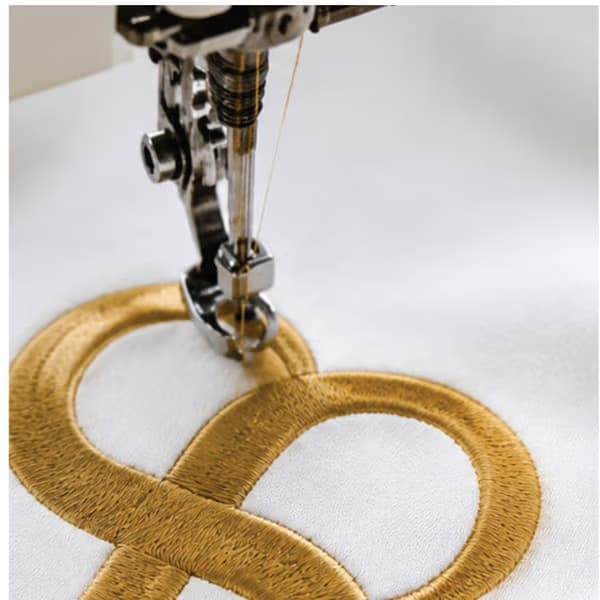
Fabric, trims and finishing. A higher tier buys a better yarn, a woven label instead of a printed one, tipped collars, branded buttons, a stronger hem. These are the details a wearer notices without being able to name.
What does not
Construction and quality control. The seam allowance, the stitch density, the inspection before packing — those are the same on every tier, because they are what makes a garment last, and a garment that falls apart is a bad advertisement at any price.
Affordable should not mean forgettable. Every tier is built with attention to material, finish and durability.
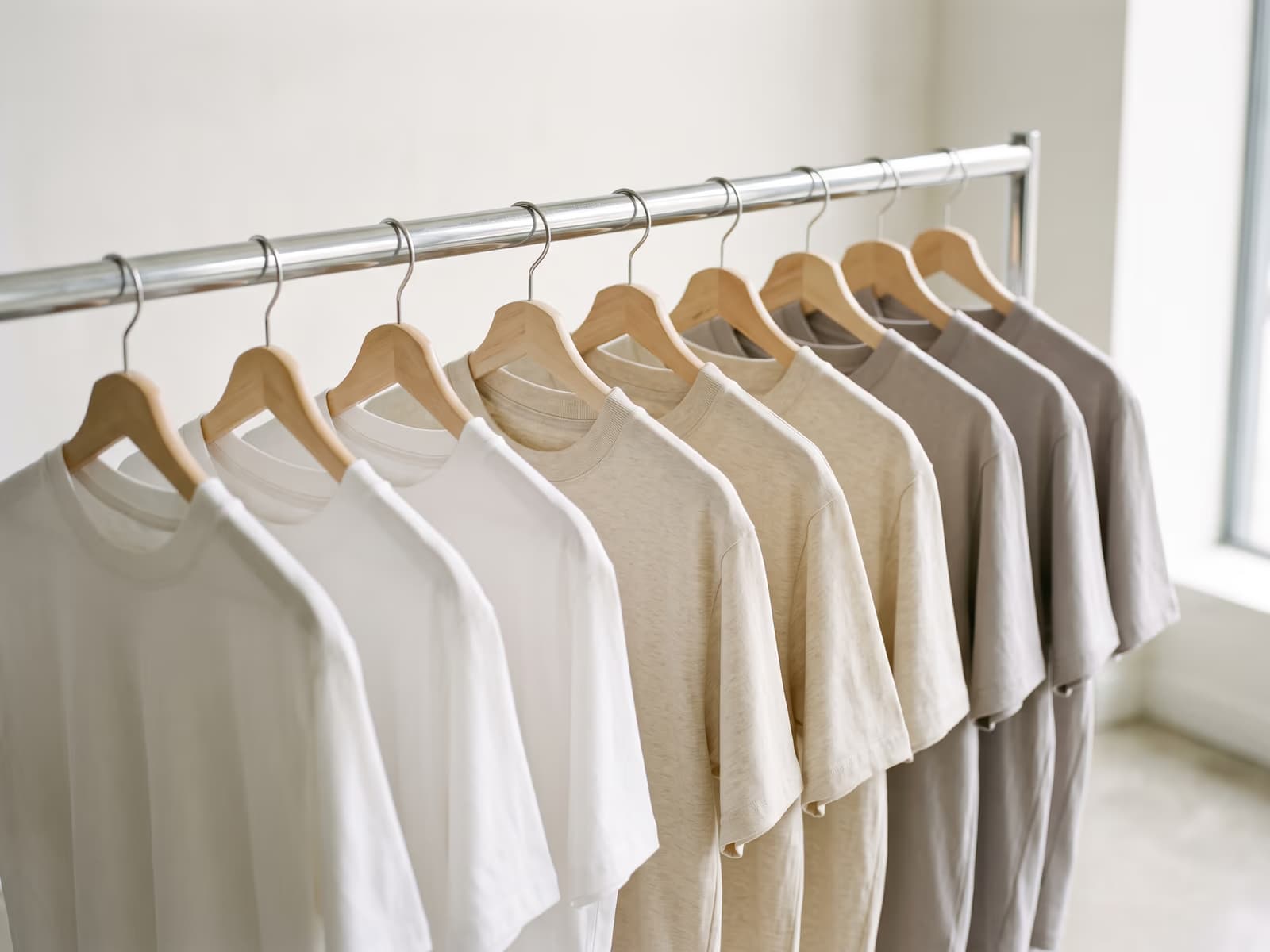
In practice, most programmes mix tiers: a premium tier for customer-facing staff, a standard tier for the wider team, and the same logo, the same colour and the same standard of making across both.