
Scale · · 5 min read
What 10,000 pieces actually looks like
A run that size is not a bigger version of a small one. It is a different set of problems.
Twenty shirts and ten thousand shirts are made with the same machines and almost none of the same thinking. The difference is not effort, it is tolerance.
Consistency becomes the whole job
On a small run, a slight colour variation between two fabric rolls is invisible. Across ten thousand pieces delivered to eleven locations, it is the thing everyone notices. Large runs are planned around dye lots, not around days.
Sampling stops being optional
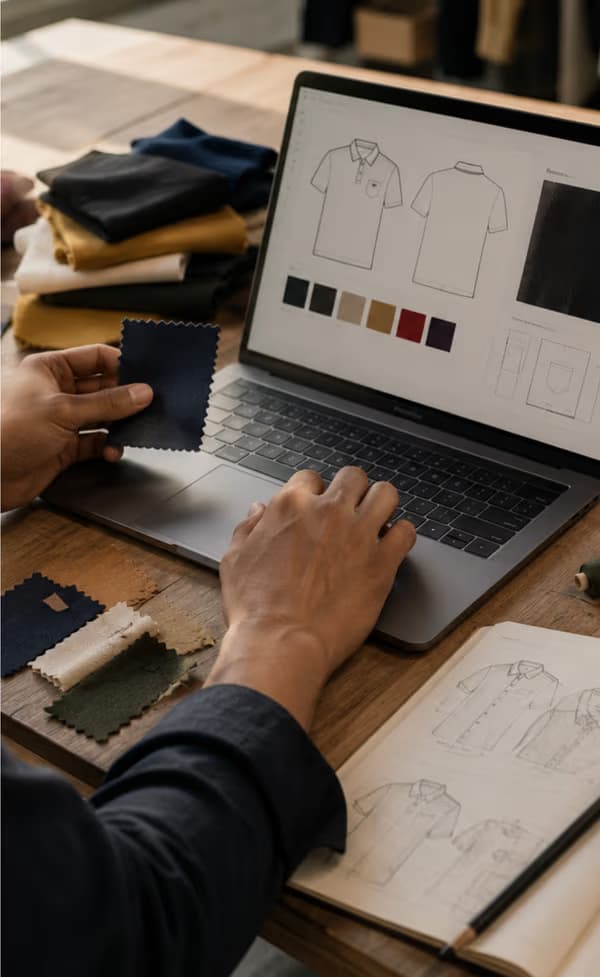
A sealed sample is the reference every later piece is measured against. On a large programme it is the only defence against drift — the slow, invisible movement of a garment away from what was approved, one small decision at a time.
Packing is part of the product
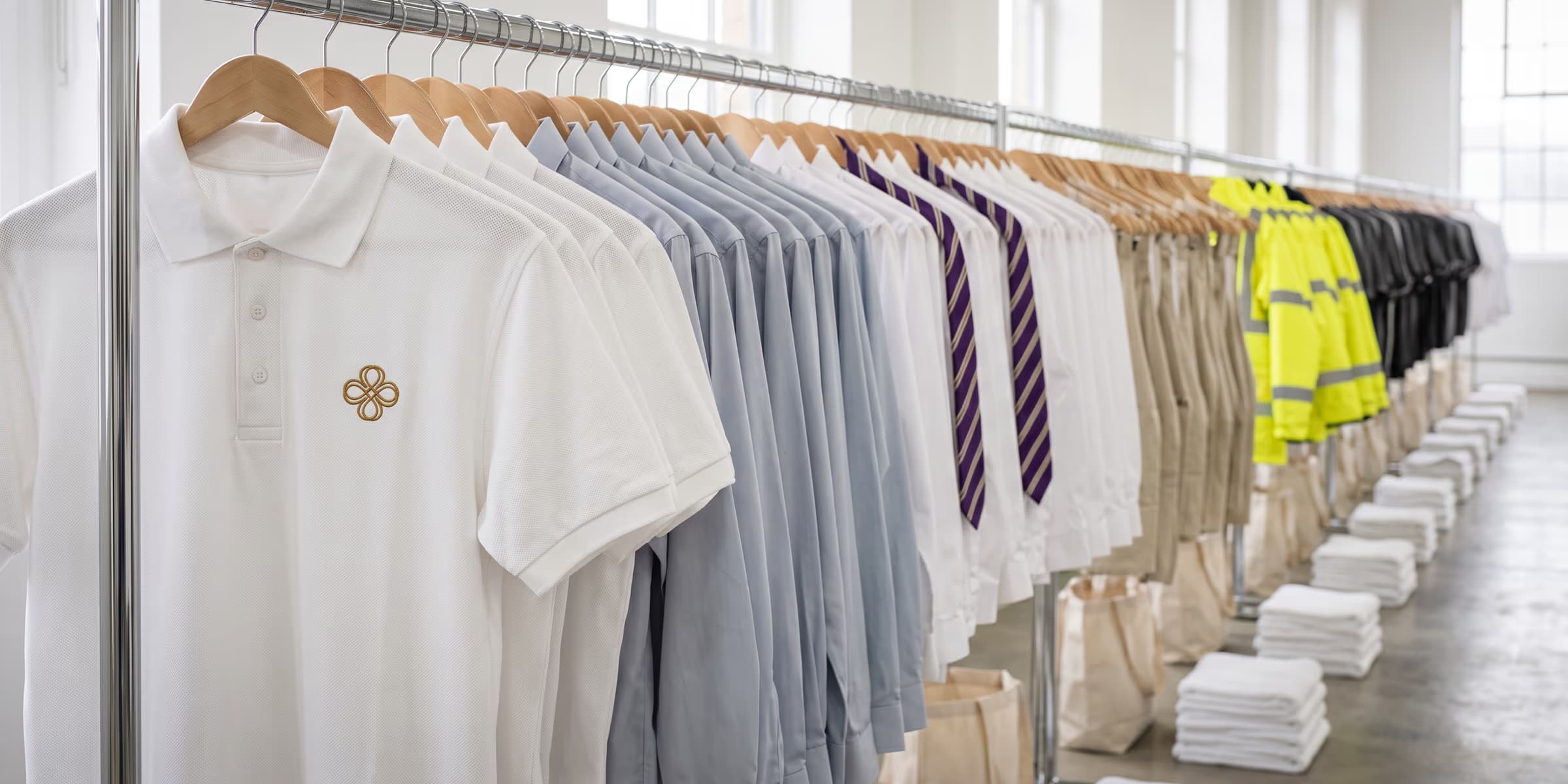
At volume, how an order is packed decides how much work lands on the client. Sorted by size, by location, by department, labelled on the outside of the carton: that is the difference between a delivery a team can distribute in an afternoon and one that occupies a storeroom for a fortnight.
None of this makes a large run harder to order. It makes it worth starting earlier.